Contact Us


VA269 mission in a nutshell
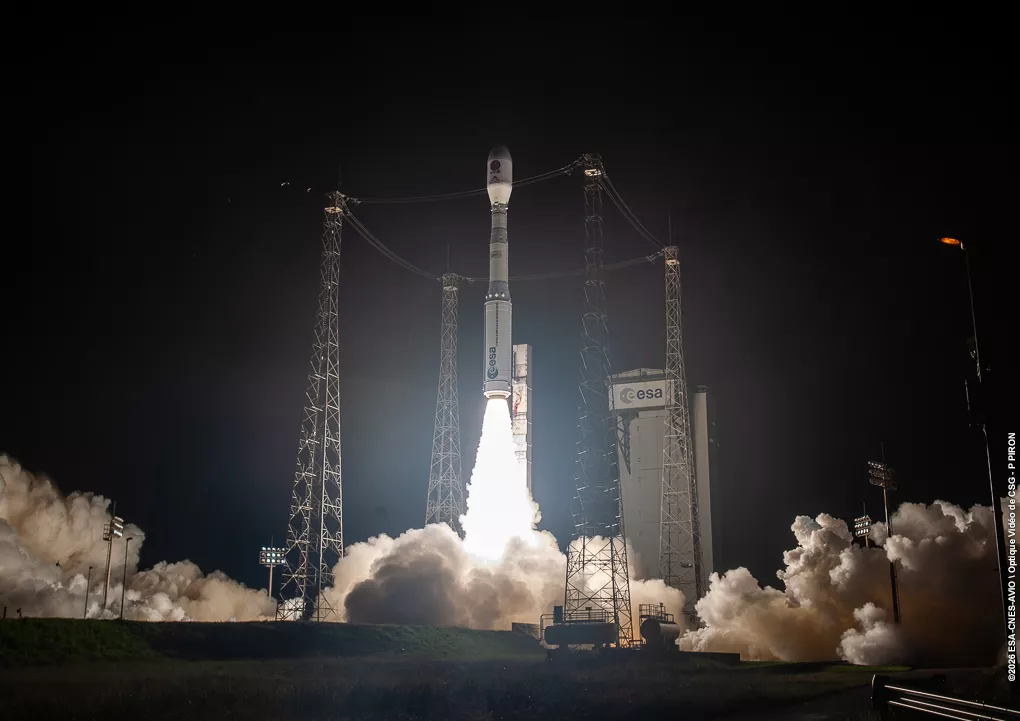
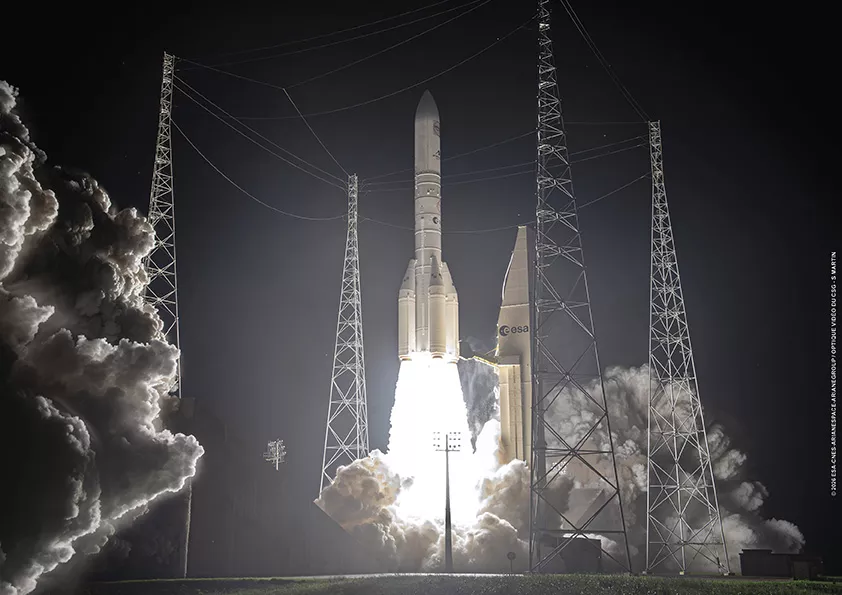
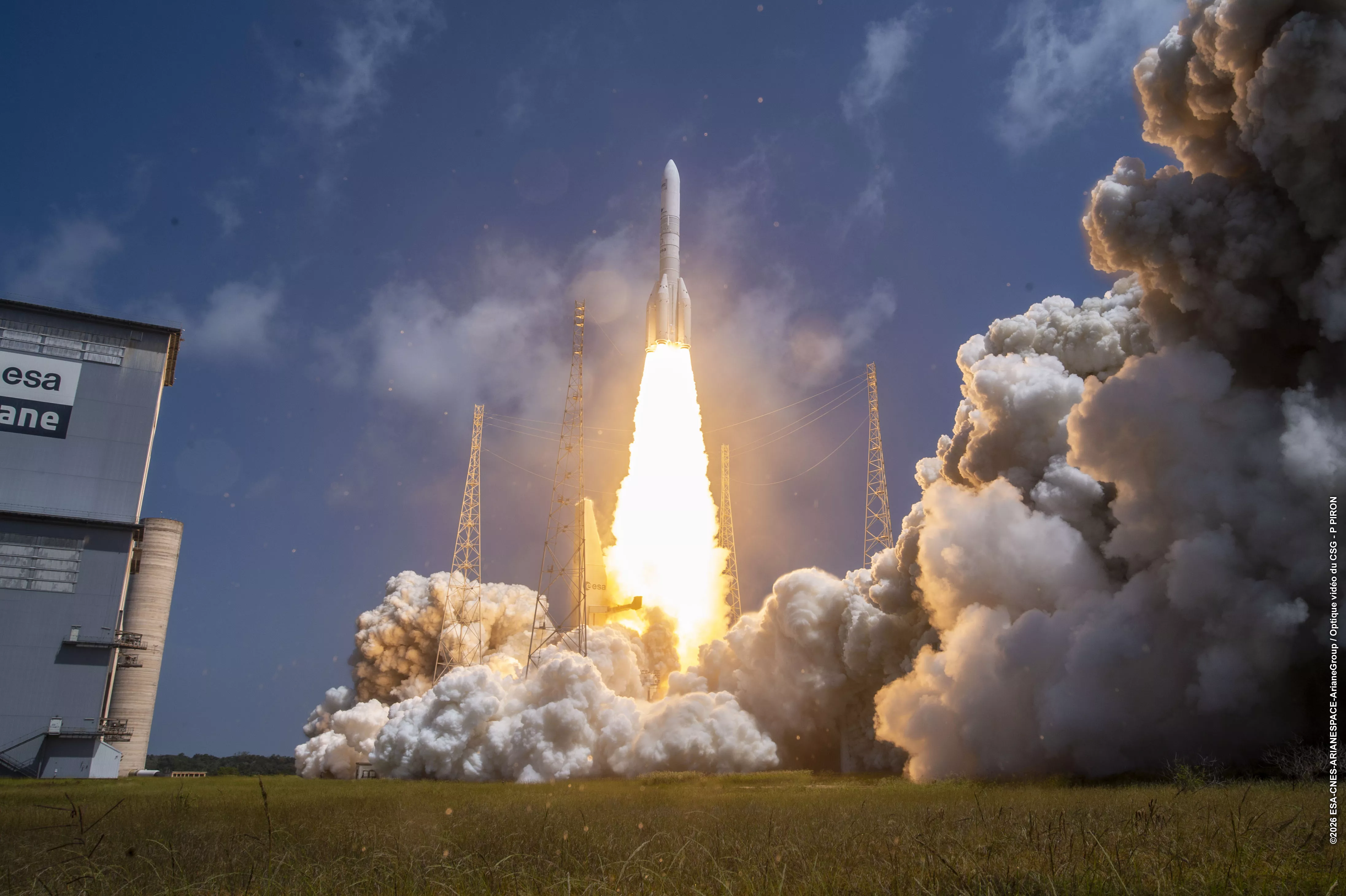
On June 17, 2026, Arianespace will place into orbit 36 satellites for Amazon Leo with the Ariane 64 equipped with four P160C advanced solid-propellant boosters for the very first time.
VA269 mission in a nutshell
- Payloads : 36 Amazon Leo satellites (LE-03)
- Client : Amazon
- Mission : Global connectivity, high-speed broadband
- Targeted orbit : Low Earth orbit at an altitude of approx. 465 km
- Launch window: 08:53 - 09:22 Kourou time (29min)
- Mission duration: (du décollage à la séparation du satellite) : 1 hour and 51 minutes
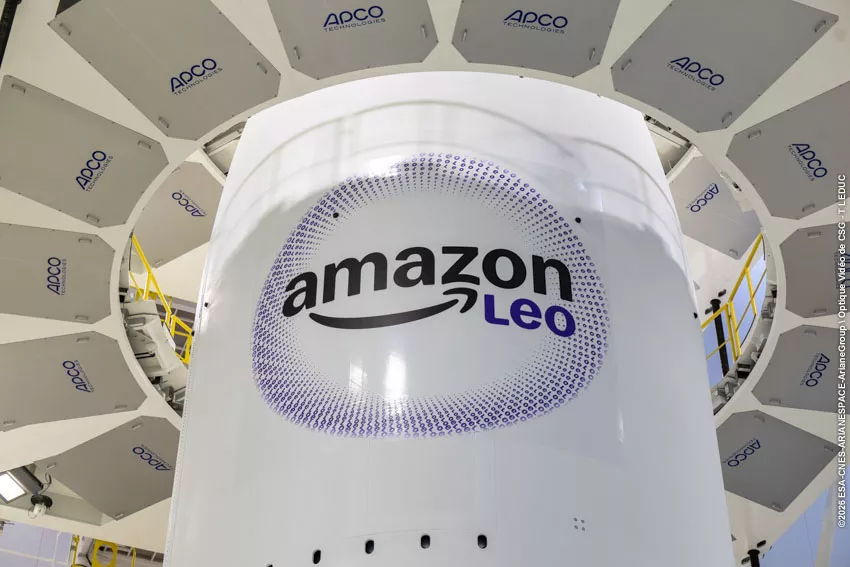
Amazon LEO: a new batch of satellites to help close the digital divide
On June 17, 2026, an Ariane 64 will lift off from Europe’s Spaceport in French Guiana carrying 36 Amazon Leo satellites. The launch window opens at 08:53 a.m. local time in Kourou, 01:53pm UTC.
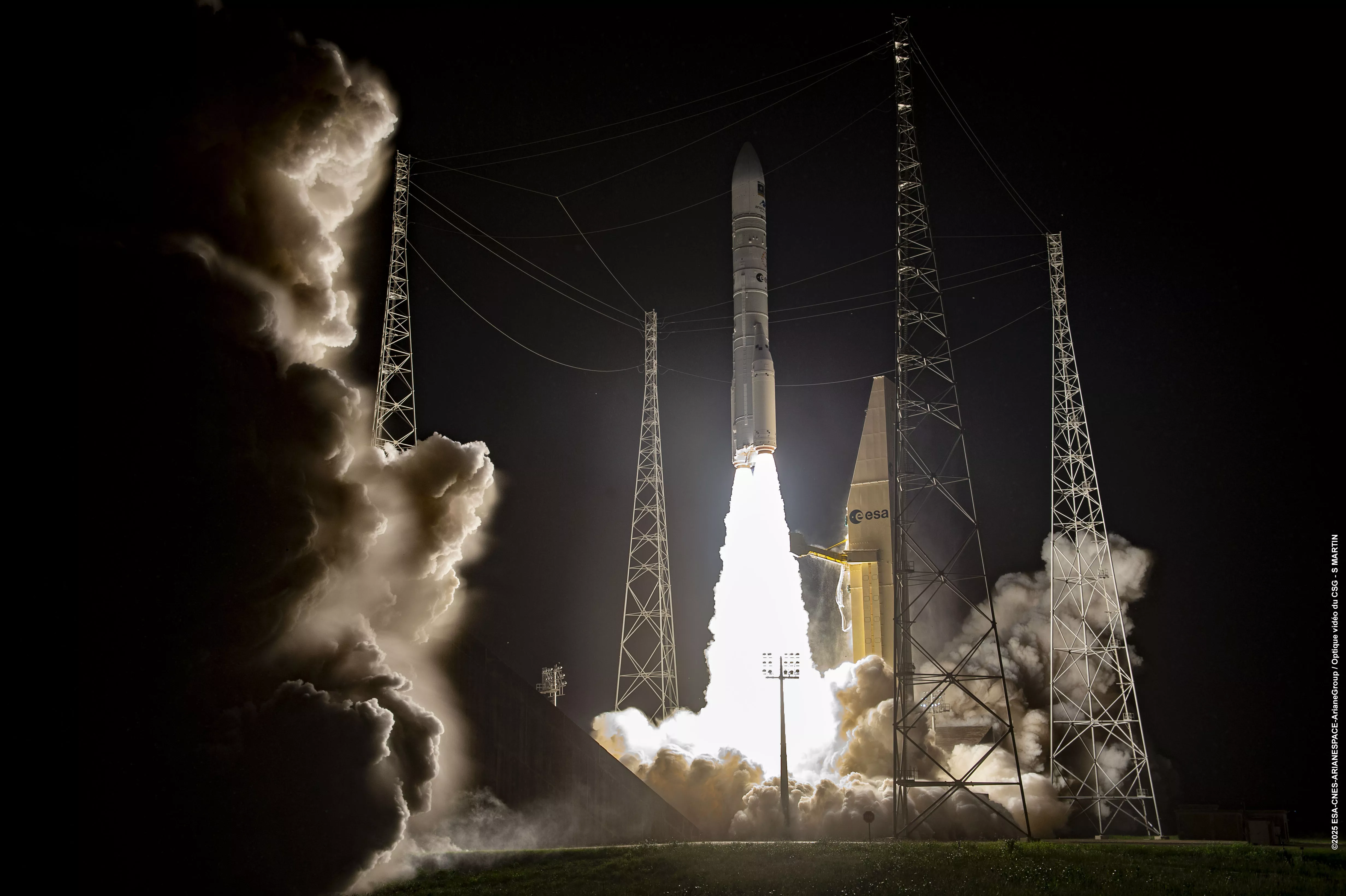
The mission, called VA269 and LE-03 for Amazon Leo, will mark the third Ariane 6 launch dedicated to the deployment of the Amazon Leo constellation, within a series of 18, and is the eighth Ariane 6 launch overall and the third of the year.
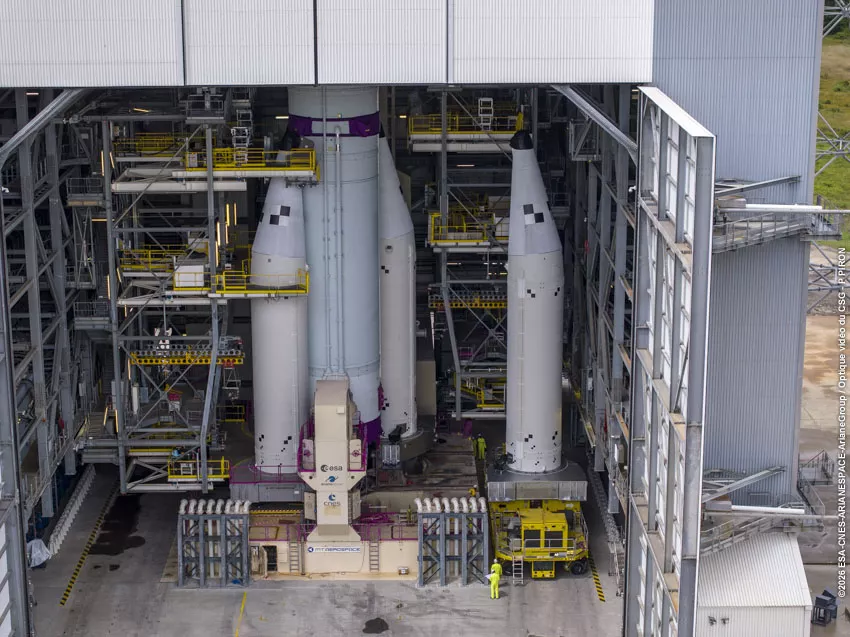
VA269 is more than another Amazon Leo mission: it marks the debut of Ariane 6’s upgraded P160C boosters and a new step in the launcher’s evolution. With 36 satellites on board, Ariane 6 will carry the heaviest payload ever launched by the Ariane family.
Amazon Leo’s initial satellite constellation design includes more than 3,000 satellites. With more than 300 satellites already deployed, mission VA269, designated LE-03 by Amazon (Leo Europe 3), will add another 36 satellites to the constellation, marking the 100th satellite launched by Arianespace for Amazon Leo.
Three main parts ground
Amazon Leo has three main parts : ground infrastructure, satellites, and customer terminals :
- Amazon’s ground infrastructure includes gateway antennas that securely send and receive customer data to and from satellites, along with telemetry, tracking, and control (TT& antennas that keep the satellites properly operating Global networking connects those gateway antennas to the internet, public cloud, or private networks
- The satellites relay data traffic to and from the gateway antennas and customers
- The customer terminals are the technology that Amazon Leo customers use to receive internet service These antennas Leo Nano, Leo Pro, and Leo Ultra combine antennas and processors into a single, compact system to deliver connectivity.
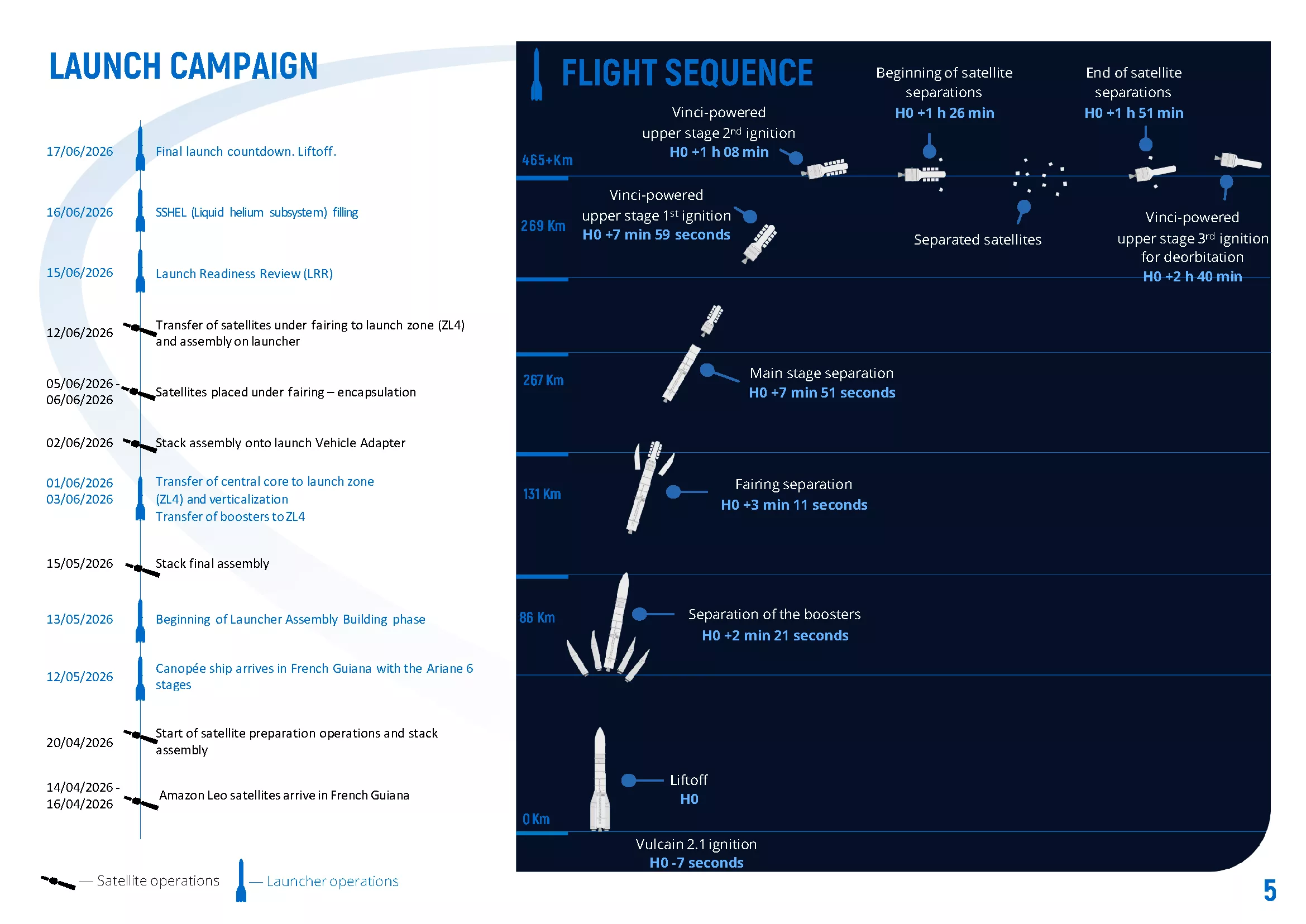
Flight sequence
The nominal duration of the mission (from liftoff to separation of all the satellites) is: 1 hour and 51 minutes.
Separation of all the satellites : 1 hour and 51 minutes
On the same section
-
SMILE in Orbit: VV29 Lights Up the Guyanese Sky
18/05/2026VV29: Final steps before lift-off
12/05/2026VV29 mission in a nutshell
11/05/2026Ariane 6 successfully launches another 32 Amazon Leo satellites
30/04/2026The first Ariane 64 successfully launches 32 Amazon LEO satellites
13/02/2026VA267: Four-booster version of Ariane 6 taking shape
28/01/2026First Ariane 64 now being prepared at the CSG